


Virtual Mozart, Venture Capital Bot, and Educational Video Generation: How AI is Used at HSE University
In mid-November, HSE University hosted a meetup where faculty, researchers, and administrators presented their projects and shared experiences with using AI technologies in education and research. The meeting was part of the continuing professional development programme 'Artificial Intelligence in Education and Research.'

Esports Players Play Better Online
In competitions, esports players, like other athletes, face stress and show worse results due to pressure. A substantial decrease takes place in the performance of esports players during overtime. This effect, however, is significantly mitigated in online competitions compared to live events—the difference can reach 30%. A study by a team of authors from HSE University’s Moscow and Perm campuses and European University Viadrina (Germany) explores the phenomenon of choking under pressure within the context of esports. The study was published in the Journal of Economic Behavior & Organization.

(Ab)normal Language: HSE Researchers Present Digital Tools for Assessing Mental Health Problems
Often, individuals with neurological or mental disorders exhibit distinctive language patterns. In modern clinical practice, digital tools can play a significant role in supporting language therapy and rehabilitation for persons with language disorders. Additionally, in the future, digital tools could assist healthcare specialists in assessing the severity of symptoms associated with such disorders.
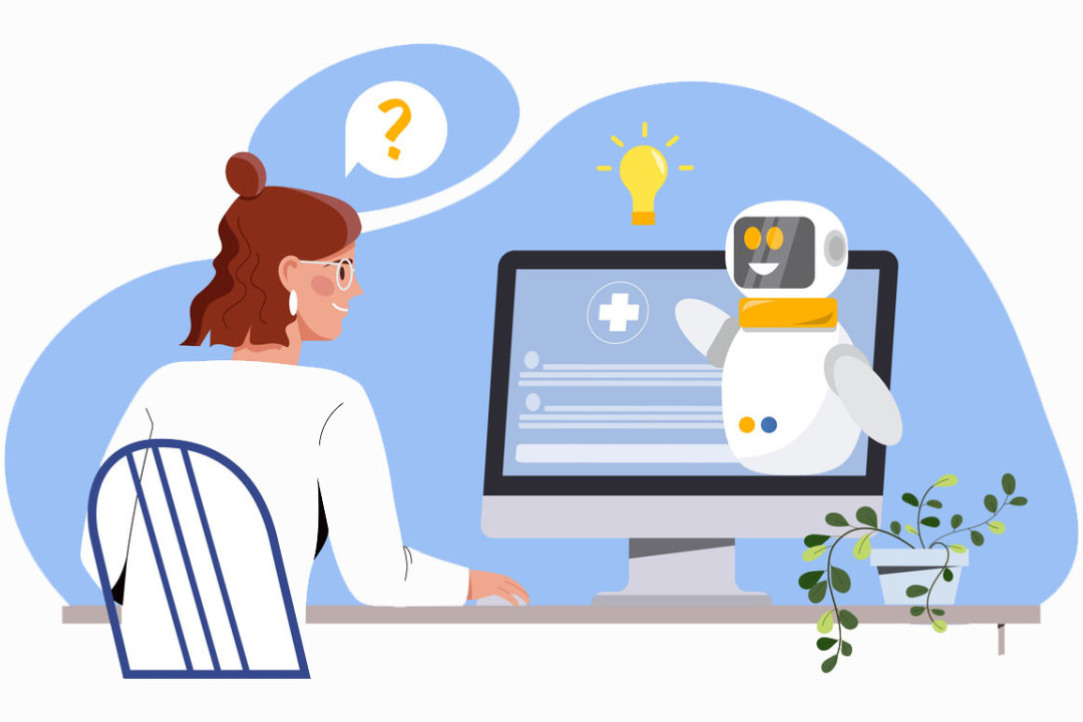
A New Tool Designed to Assess AI Ethics in Medicine Developed at HSE University
A team of researchers at the HSE AI Research Centre has created an index to evaluate the ethical standards of artificial intelligence (AI) systems used in medicine. This tool is designed to minimise potential risks and promote safer development and implementation of AI technologies in medical practice.

Smoking Habit Affects Response to False Feedback
A team of scientists at HSE University, in collaboration with the Institute of Higher Nervous Activity and Neurophysiology of the Russian Academy of Sciences, studied how people respond to deception when under stress and cognitive load. The study revealed that smoking habits interfere with performance on cognitive tasks involving memory and attention and impairs a person’s ability to detect deception. The study findings have been published in Frontiers in Neuroscience.

Children with Autism Process Auditory Information Differently
A team of scientists, including researchers from the HSE Centre for Language and Brain, examined specific aspects of auditory perception in children with autism. The scientists observed atypical alpha rhythm activity both during sound perception and at rest. This suggests that these children experience abnormalities in the early stages of sound processing in the brain's auditory cortex. Over time, these abnormalities can result in language difficulties. The study findings have been published in Brain Structure and Function.
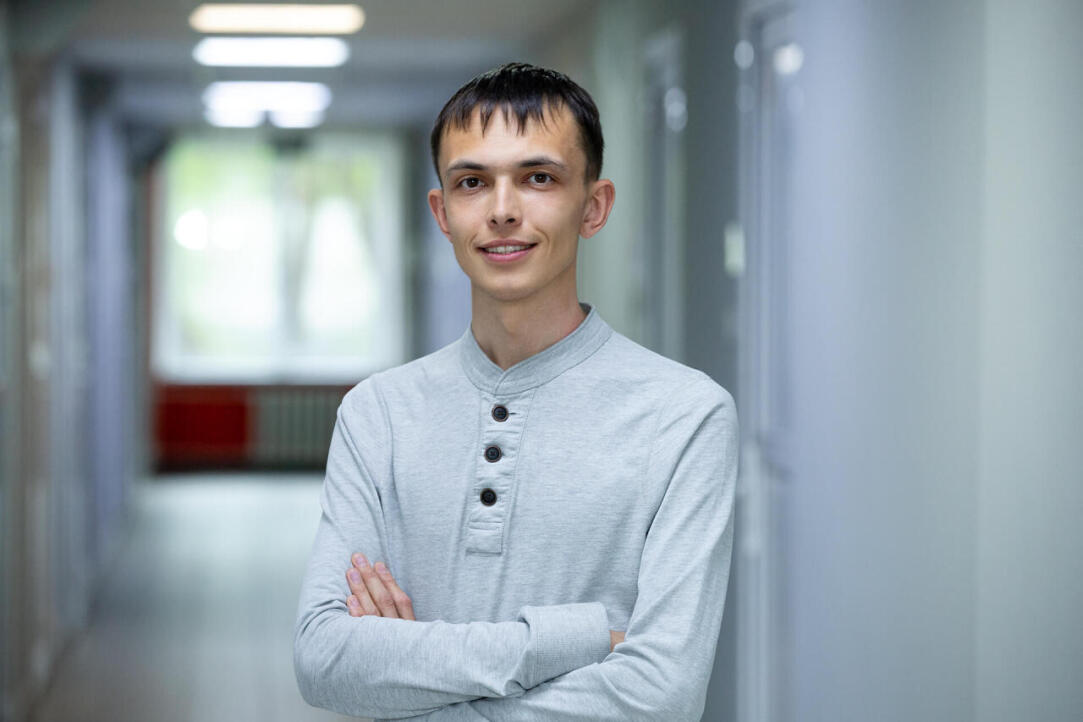
‘In Cherdyn, It Feels Like You Have Reached the Edge of the Earth’
Dmitry Koshcheev began his journey in science back in school, but eventually chose economics and tourism over history. In an interview with the Young Scientists of HSE University project, he shared his experiences of researching the Visim neighbourhood in Perm, tourist clusters, and how he mastered analysing 300 sources a day.

HSE Scientists Propose AI-Driven Solutions for Medical Applications
Artificial intelligence will not replace medical professionals but can serve as an excellent assistant to them. Healthcare requires advanced technologies capable of rapidly analysing and monitoring patients' conditions. HSE scientists have integrated AI in preoperative planning and postoperative outcome evaluation for spinal surgery and developed an automated intelligent system to assess the biomechanics of the arms and legs.

Smartphones Not Used for Digital Learning among Russian School Students
Despite the widespread use of smartphones, teachers have not fully integrated them into the teaching and learning process, including for developing students' digital skills. Irina Dvoretskaya, Research Fellow at the HSE Institute of Education, has examined the patterns of mobile device use for learning among students in grades 9 to 11.
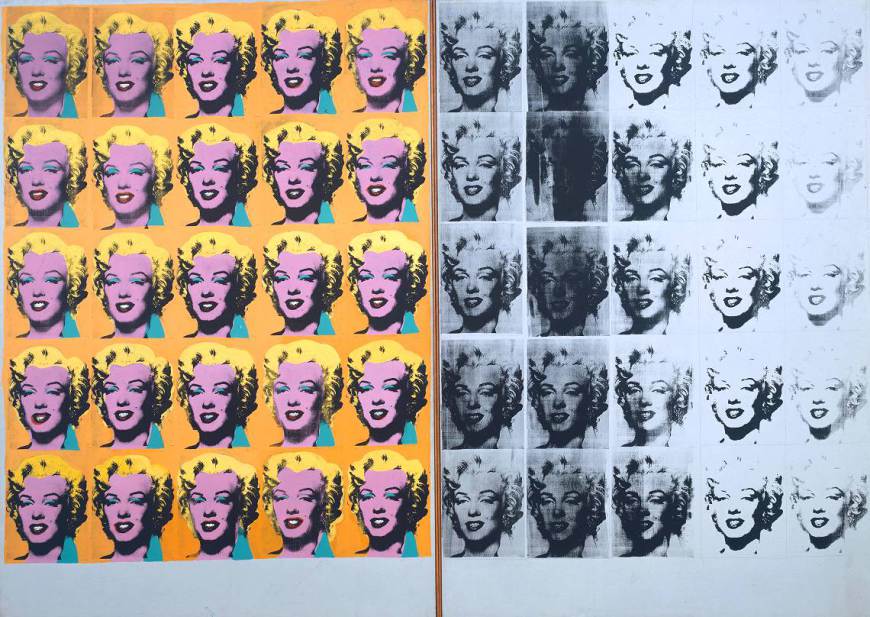
Beauty in Details: HSE University and AIRI Scientists Develop a Method for High-Quality Image Editing
Researchers from theHSE AI Research Centre, AIRI, and the University of Bremen have developed a new image editing method based on deep learning—StyleFeatureEditor. This tool allows for precise reproduction of even the smallest details in an image while preserving them during the editing process. With its help, users can easily change hair colour or facial expressions without sacrificing image quality. The results of this three-party collaboration were published at the highly-cited computer vision conference CVPR 2024.