

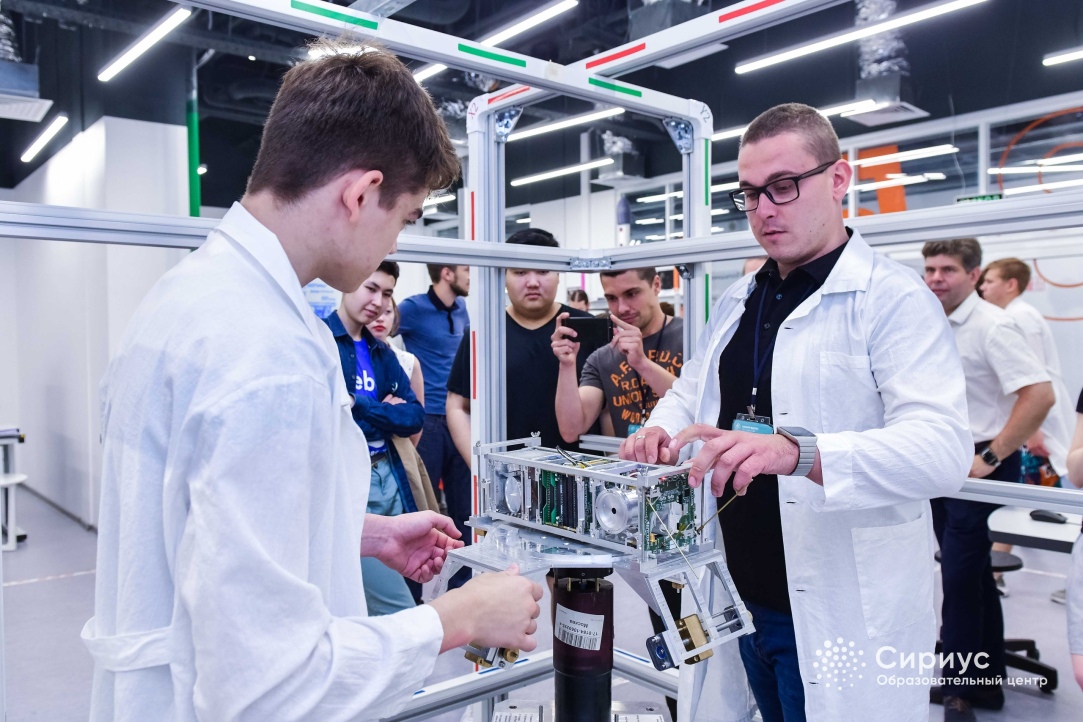
HSE University Satellites: Three Years in Orbit
In March 2024, HSE University celebrated an important milestone — the third anniversary of the successful operation in orbit of its first CubeSX-HSE and CubeSX-Sirius-HSE satellites. These spacecraft, created on the basis of the CubeSat platform for Earth observation, continue to function actively, confirming high technological standards and reliability of the university's developments.
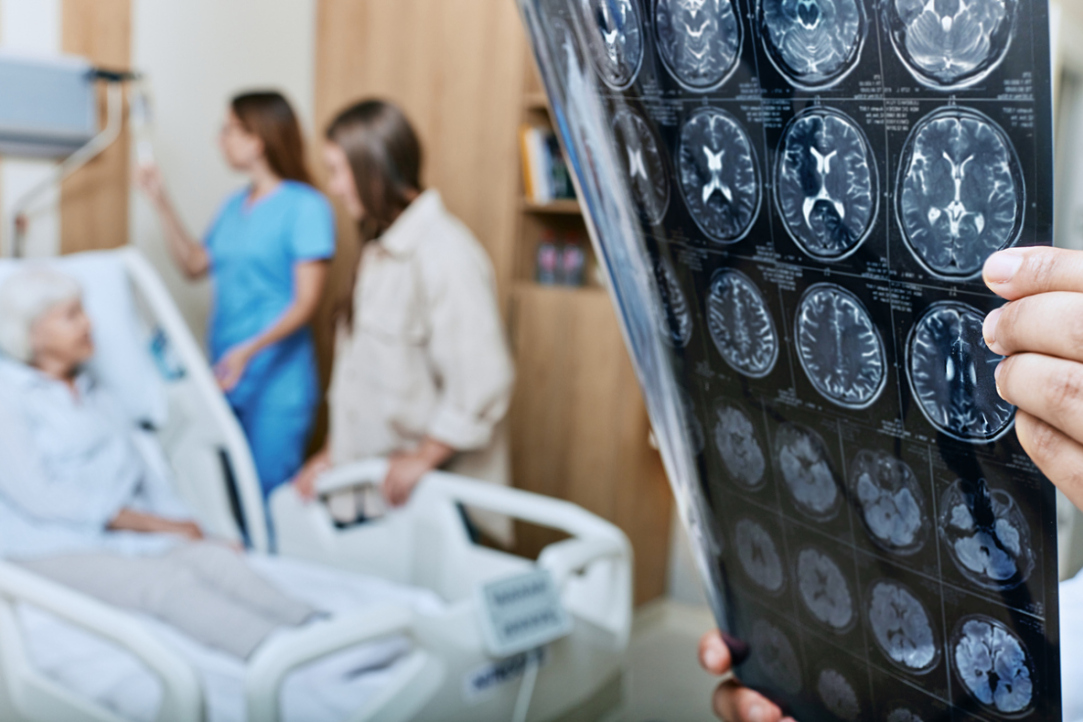
Neural Network Developed at HSE Campus in Perm Will Determine Root Cause of Stroke in Patients
Specialists at HSE Campus in Perm and clinicians at Perm City Clinical Hospital No. 4, have been collaborating to develop a neural network capable of determining the root cause of a stroke. This marks the world's first attempt to create such a system, the developers note.

Software for Rapid Detection of Dyslexia Developed in Russia
HSE scientists have developed a software tool for assessing the presence and degree of dyslexia in school students based on their gender, age, school grade, and eye-tracking data. The application is expected to be introduced into clinical practice in 2024. The underlying studies were conducted by specialists in machine learning and neurolinguistics at the HSE AI Research Centre.
HSE Accepting Applications for Competition of Best Russian-language Scientific and Popular Science Papers
Applications for the fourth HSE University Competition of the Best Russian-language Scientific and Popular Science Papers will be accepted from February 1 to March 15. The authors that receive the highest scores from the expert jury will be awarded on June 6—Russian Language Day. The main goal of the competition is to support and promote Russian language as a language of science, as well as to popularise works affiliated with HSE University among the global Russian-speaking audience.

Research by HSE University and EISR: After visiting Russia Exhibition, the Vast Majority Feel Proud of their Country and Confident in Tomorrow
The achievements presented at the Russia International Exhibition and Forum make visitors proud of their country, believe 98% of the participants in a recent study prepared by HSE University and the Expert Institute for Social Research (EISR) in January 2024. More than 4,200 respondents took part in the survey.

Neural Networks of Power: AI Unravels Knots and Tangles in Relationships between Humans, Elves and Hobbits
One of the most popular writers of the last century, John Ronald Reuel Tolkien, was born on January 3rd. Researchers from HSE University, AIRI and MISSIS have used machine learning to explore the social connections between the characters of his Middle-earth universe. The algorithm managed to create an accurate picture of the social structures and dynamics of the characters' relationships, providing a unique map of interactions in the epic world. The results of the work were published in IEEE Xplore.

Results of HSE University’s Mirror Laboratories Contest Announced
This year, HSE University held the Mirror Laboratories project contest for the fourth time. A total of 19 applications were submitted to the contest from 16 HSE University research departments partnered with 16 organisations from 14 Russian regions. Following the contest results, 10 research projects received support.
Search Query: How to Study Migration with Google Trends
Experts have calculated that the number of international students in Russia has grown six times over the last decade, and researchers say that many of those who are studying today would like to stay in the country. This, alongside issues such as why Google Trends are worth looking into, were covered at the HSE XXIV Yasin International Academic Conference on Economic and Social Development section on demography and labour markets.
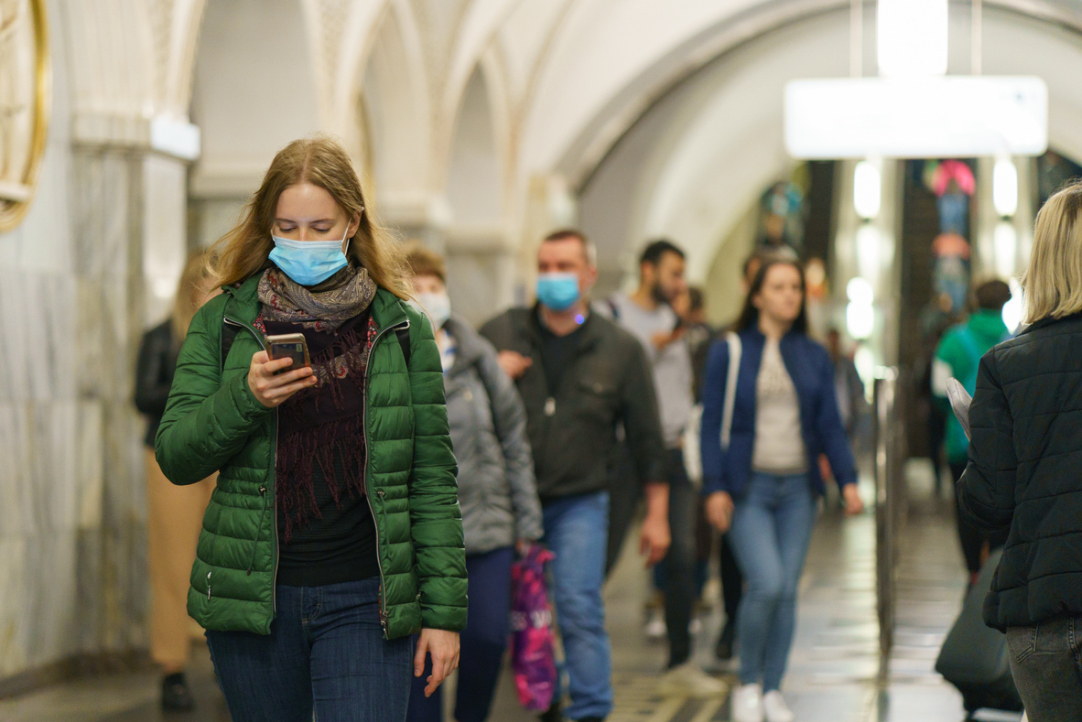
HSE Researchers Find Out How to Communicate Health Information More Effectively to Fight COVID-19
Focusing on mortality from the COVID-19 virus is no more effective than calls to wear masks and save lives, but it significantly increases people's anxiety. After conducting an experiment with over 15,000 respondents from 84 countries, an international group of researchers, including scientists from HSE, came to this conclusion. The results of the study have been published in the Affective Science journal.

Majority of Russian IT Specialists Do Not Plan to Relocate
Despite sanctions pressure and the departure of numerous international companies, Russian IT workers take an optimistic view of the development prospects of the domestic IT industry.