


‘Philosophy Is Thinking Outside the Box’
In October 2024, Louis Vervoort, Associate Professor at the School of Philosophy and Cultural Studies of the Faculty of Humanities presented his report ‘Gettier's Problem and Quine's Epistemic Holism: A Unified Account’ at the Formal Philosophy seminar, which covered one of the basic problems of contemporary epistemology. What are the limitations of physics as a science? What are the dangers of AI? How to survive the Russian cold? Louis Vervoort discussed these and many other questions in his interview with the HSE News Service.

Children with Autism Process Auditory Information Differently
A team of scientists, including researchers from the HSE Centre for Language and Brain, examined specific aspects of auditory perception in children with autism. The scientists observed atypical alpha rhythm activity both during sound perception and at rest. This suggests that these children experience abnormalities in the early stages of sound processing in the brain's auditory cortex. Over time, these abnormalities can result in language difficulties. The study findings have been published in Brain Structure and Function.
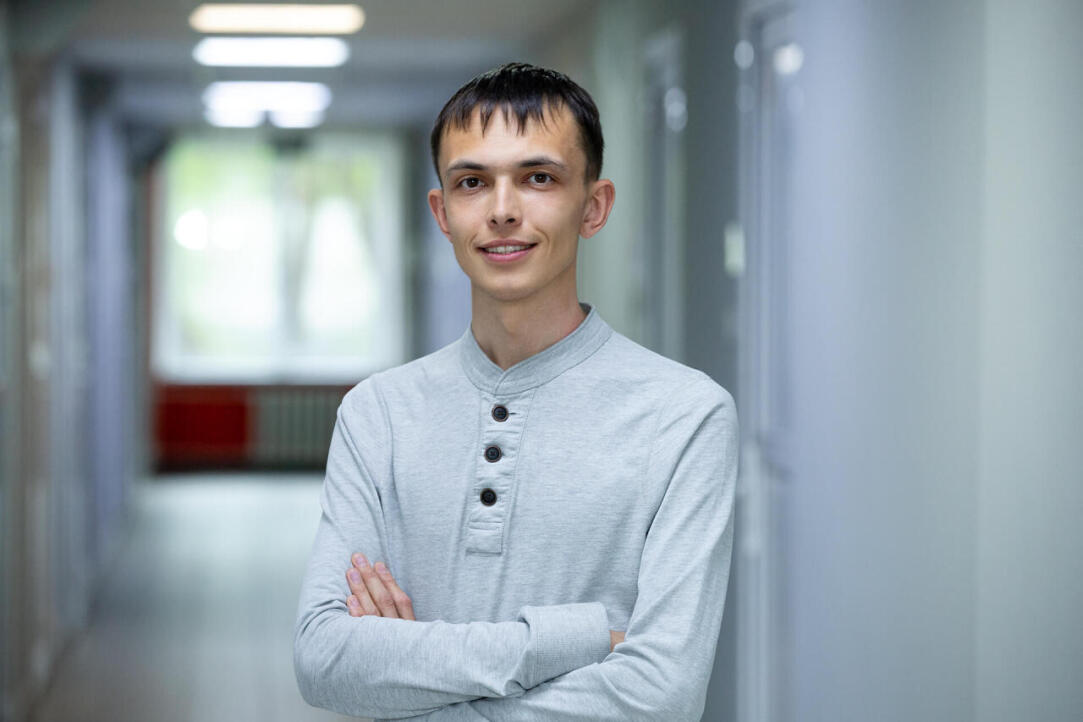
‘In Cherdyn, It Feels Like You Have Reached the Edge of the Earth’
Dmitry Koshcheev began his journey in science back in school, but eventually chose economics and tourism over history. In an interview with the Young Scientists of HSE University project, he shared his experiences of researching the Visim neighbourhood in Perm, tourist clusters, and how he mastered analysing 300 sources a day.

HSE Scientists Propose AI-Driven Solutions for Medical Applications
Artificial intelligence will not replace medical professionals but can serve as an excellent assistant to them. Healthcare requires advanced technologies capable of rapidly analysing and monitoring patients' conditions. HSE scientists have integrated AI in preoperative planning and postoperative outcome evaluation for spinal surgery and developed an automated intelligent system to assess the biomechanics of the arms and legs.

Smartphones Not Used for Digital Learning among Russian School Students
Despite the widespread use of smartphones, teachers have not fully integrated them into the teaching and learning process, including for developing students' digital skills. Irina Dvoretskaya, Research Fellow at the HSE Institute of Education, has examined the patterns of mobile device use for learning among students in grades 9 to 11.
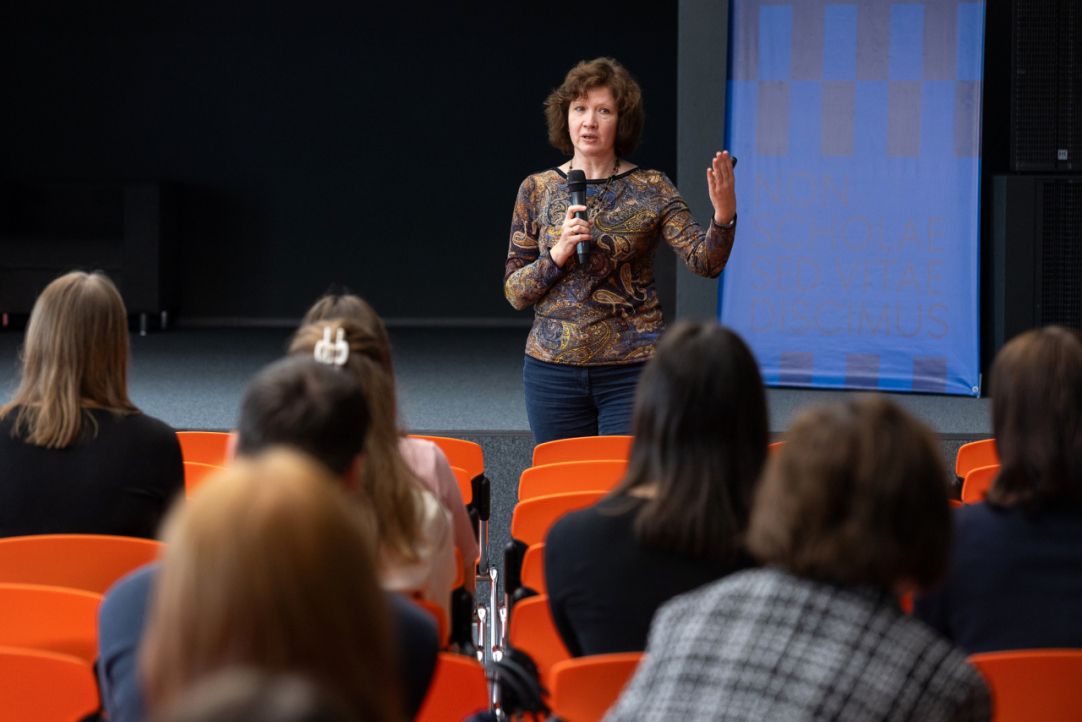
Peculiarities of Intercultural Communications: a Meeting With the Head of HSE St Petersburg International Office Was Held at HSE Perm
What distance should be maintained with representatives of Eastern countries? Why can crossed legs pose ruin negotiations? How to properly build intercultural interaction? Students of the educational programme “Foreign Languages and Intercultural Communication in Business” of HSE Perm discussed these and other key principles of work of an external relations specialist with the head of the International Office of HSE St Petersburg Maria Kiseleva.

Students of 'Foreign Languages and Intercultural Communication in Business' Programme Completed Language Courses in China
During a month in Tianjin, students from HSE Perm studied Chinese language, culture and traditions. They shared their discoveries and impressions with us.
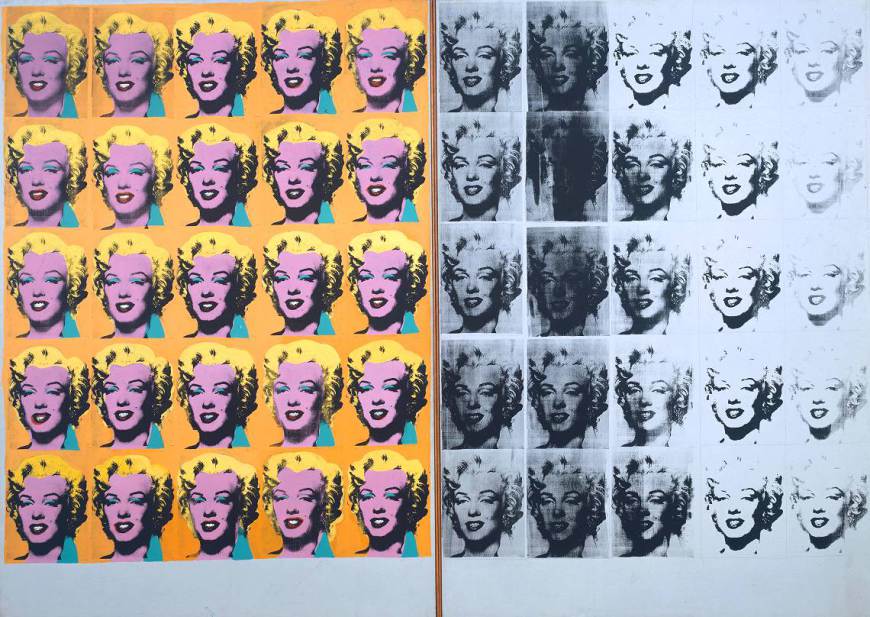
Beauty in Details: HSE University and AIRI Scientists Develop a Method for High-Quality Image Editing
Researchers from theHSE AI Research Centre, AIRI, and the University of Bremen have developed a new image editing method based on deep learning—StyleFeatureEditor. This tool allows for precise reproduction of even the smallest details in an image while preserving them during the editing process. With its help, users can easily change hair colour or facial expressions without sacrificing image quality. The results of this three-party collaboration were published at the highly-cited computer vision conference CVPR 2024.

HSE Scientists Have Examined Potential Impact of Nuclear Power on Sustainable Development
Researchers at HSE University have developed a set of mathematical models to predict the impact of nuclear power on the Sustainable Development Index. If the share of nuclear power in the global energy mix increases to between 20% and 25%, the global Sustainable Development Index (SDI) is projected to grow by one-third by 2050. In scenarios where the share of nuclear power grows more slowly, the increase in the SDI is found to be lower. The study has been published in Nuclear Energy and Technology.
HSE Tops the Ranking of Universities Leading in Technology Entrepreneurship
HSE University has taken a leading position in the university ranking prepared by the 'Expert' analytical centre. The ‘Techpred-50’ ranking evaluates the success of educational institutions in training founders of technology startups over the period from 2014 to 2023. HSE University has entered the Top-3, alongside MIPT and Moscow State University.